Industry
The construction sector is about to undergo a major transformation. In the coming years, artificial intelligence will have a significant impact on all aspects of the industry, from project design to construction execution.
As these advancements are incorporated on a large scale, you will see construction sites becoming safer, more efficient, and more sustainable. Projects can be optimized based on historical data and predictive models. Autonomous equipment will perform repetitive and high-risk tasks. And digital manufacturing techniques will reduce material waste.
In short, artificial intelligence has the potential to solve some of the construction sector's biggest challenges and to reinvent the way we build. Preparing for this new reality is essential for any professional or company wishing to thrive in the coming years. The transformation has already begun. Be ready to embark on this journey.
Speak with one of our specialists and discover how Pix Force can transform your business
Benefits of AI in Construction
Greater Productivity
Imagine a construction site where AI is your ally. It is capable of analyzing huge datasets, identifying patterns and trends that human eyes might miss. This in-depth analysis allows for the optimization of processes and the elimination of unwanted delays. For example, AI can assist in selecting the most suitable materials, planning efficient routes, and intelligently scheduling tasks, saving precious working hours and, consequently, money.
Cost Reduction
In addition to productivity, AI has a notable impact on cost management. It enters the scene by detecting failures, managing risks, and forecasting demand. By analyzing previous projects, AI determines the ideal amount of materials and labor needed for each new construction, minimizing waste and avoiding excessive costs. It is a financially intelligent approach that benefits both builders and clients.
Greater Security
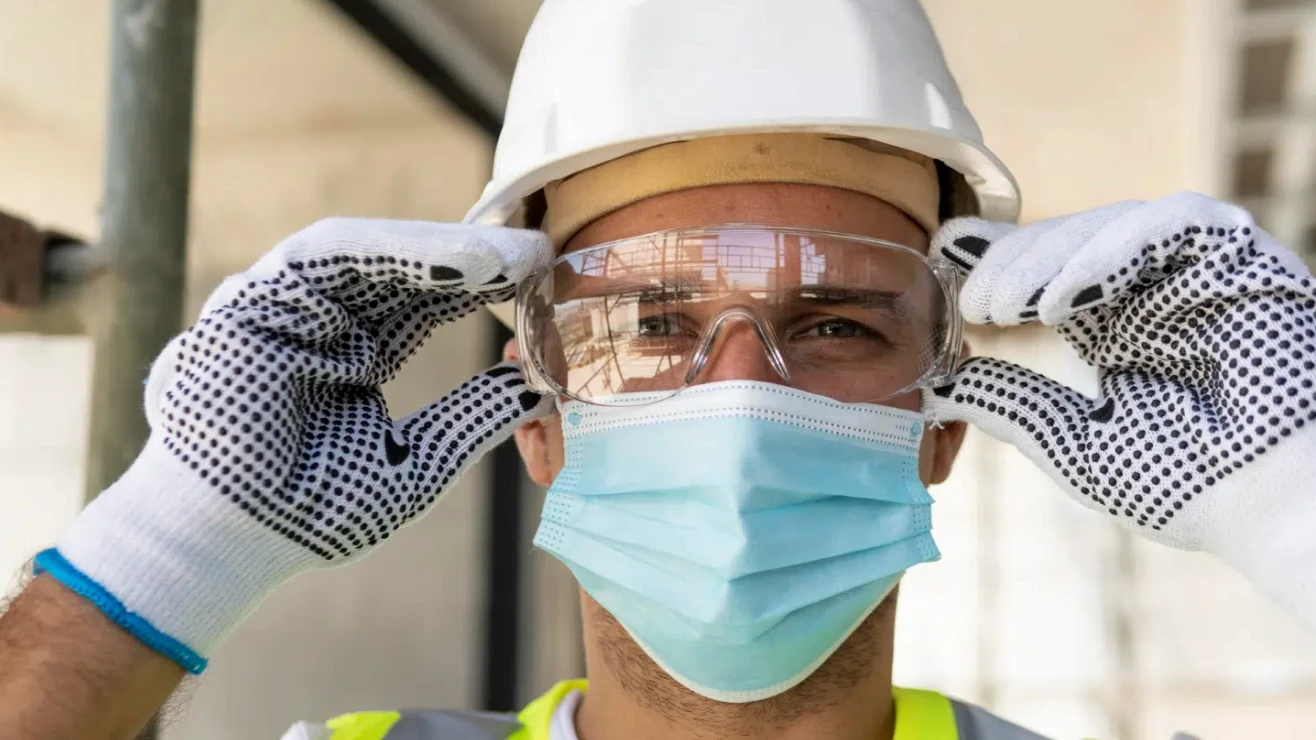
Construction site safety is a non-negotiable priority, and AI raises the bar in this regard. It constantly monitors construction sites, identifying risks in real time. Workers without personal protective equipment do not escape its vigilance. Furthermore, AI inspects equipment and structures for damage or flaws before they become dangerous, significantly improving workplace safety and reducing accidents.
What are the applications of artificial intelligence in civil construction?
Artificial Intelligence (AI) is revolutionizing civil construction, providing innovative solutions for various phases of projects. One of the main applications of AI is in construction management, where algorithms analyze real-time data to predict delays, allocate resources efficiently, and monitor construction progress, optimizing productivity and reducing costs. Another significant application is in occupational safety. AI systems monitor the use of Personal Protective Equipment (PPE) and identify risk scenarios in real time through camera footage. This helps mitigate accidents and maintain a safe working environment. Regarding design and planning, AI assists in land prospecting and project feasibility assessment, integrating relevant information to facilitate decision-making. In addition, technologies such as Building Information Modeling (BIM) use AI for simulations, allowing engineers to visualize different scenarios before construction begins. Predictive maintenance also benefits from AI, helping to forecast repair needs based on historical data and analytics. This results in more efficient management of buildings and infrastructure, extending their lifespan and reducing unexpected costs.
- The Promising Growth of AI in Industry
Artificial intelligence has the potential to increase sector profits by approximately 71% by 2035, according to a study by Accenture. This is the right time to focus on the opportunities it offers and turn it into a differentiator in the different stages of business ventures.
- Decision Making and Insights
Artificial intelligence is already present on construction sites, although it is not always identified as such, as technologies are used to optimize processes and analyze data. Teams leverage this technology to identify patterns, obtain insights for improvements in the construction process, reduce waste, and increase efficacy on sites and in deliveries. The information provided by the machines influences the decisions of managers and team leaders.
- Enhanced Safety and Customer Service
Construction companies must be attentive to the implementation of artificial intelligence in every sector. Any technological improvement, no matter how small, brings benefits to the company. The use of artificial intelligence in construction must prioritize employee safety and the reduction of accidents on sites. The adoption of cameras that monitor construction sites and identify hazard points is fundamental. Additionally, artificial intelligence allows for a more complete customer service experience, easing the demands on teams through automated chats and directing human service to complex cases.
- Empowering Teamwork
Although investments in artificial intelligence in civil construction are still modest compared to other sectors, companies are recognizing the importance of digital transformation.
According to the consultancy IDC, 58% of companies in the sector are in the initial stage of their innovation journey, but 72% consider digital transformation a priority in their business objectives.
The key lies in making artificial intelligence a tool to empower teamwork and improve results. Now is the time to embrace technology and use it as an ally in the search for a more efficient and secure future in civil construction.
Occupational Safety: Crucial in Civil Construction
Construction is a crucial industry, but also one of the most dangerous. Occupational safety is essential to protect workers and ensure the success of projects. With the introduction of artificial intelligence, workplace safety can be enhanced.
Real-time monitoring
AI sensors can detect safety risks in real-time, such as toxic gases, unstable ground or structural movements, extreme heat or cold conditions, and much more. AI-based monitoring systems continuously analyze multiple data points to identify patterns that may indicate an emerging risk situation. Safety and management teams can be alerted immediately to investigate and mitigate threats.
Predictive risk analysis
Artificial intelligence can examine huge sets of safety data to determine the most likely risks at a given construction site. Past accident patterns, types of machinery or materials used, seasonal weather conditions, and many other factors are considered. Predictive risk analysis allows safety measures to be tailored in advance to reduce the likelihood of accidents.
Enhanced safety training
AI-based virtual and augmented reality training programs provide immersive experiences for construction workers. Realistic risk scenarios can be simulated to test employees' awareness and responsiveness. Repeated practical training leads to better information retention and safer behaviors. The use of digital avatars also allows employees to learn to remotely operate heavy equipment or perform risky tasks in a safe simulated environment.
Pix Safety: Monitor deviations with AI
Pix Safety is software that utilizes artificial intelligence to monitor safety deviations at the workplace. The platform uses computer vision cameras to detect unsafe behavior, such as a lack of helmets or safety vests, and sends real-time alerts to construction site managers.
Machine Learning for Safety
Pix Safety's machine learning algorithms were trained on millions of construction images to identify visual patterns related to safety. Pix Safety helps construction companies reduce accidents, improve compliance with safety regulations, and increase productivity.
Pix Safety's technology is an example of how artificial intelligence is being applied to safety and compliance in the construction industry. Other startups are developing AI systems to detect risks such as fires, falls, and heavy equipment collisions. These AI-powered solutions are helping to transform construction sites into safer and more productive environments.
Reducing Accidents and Increasing Productivity
Adopting technologies like Pix Safety is an important step to improve construction safety and save lives. AI offers a monitoring opportunity at scale that expands human capacity. Although AI does not replace the need for training, supervision, and a culture of safety, it can be a powerful tool to reinforce best practices and detect risks that would otherwise go unnoticed.
Want to know everything about Computer Vision and how artificial intelligence can revolutionize your company? Get to know Pix Force!

Fabio Caraça
Fábio Caraça is the Chief Growth Officer at Pix Force. He leads Pix Force's transformation into a scalable SaaS operation, combining strategic vision, culture, and high-impact execution.