Occupational health and safety
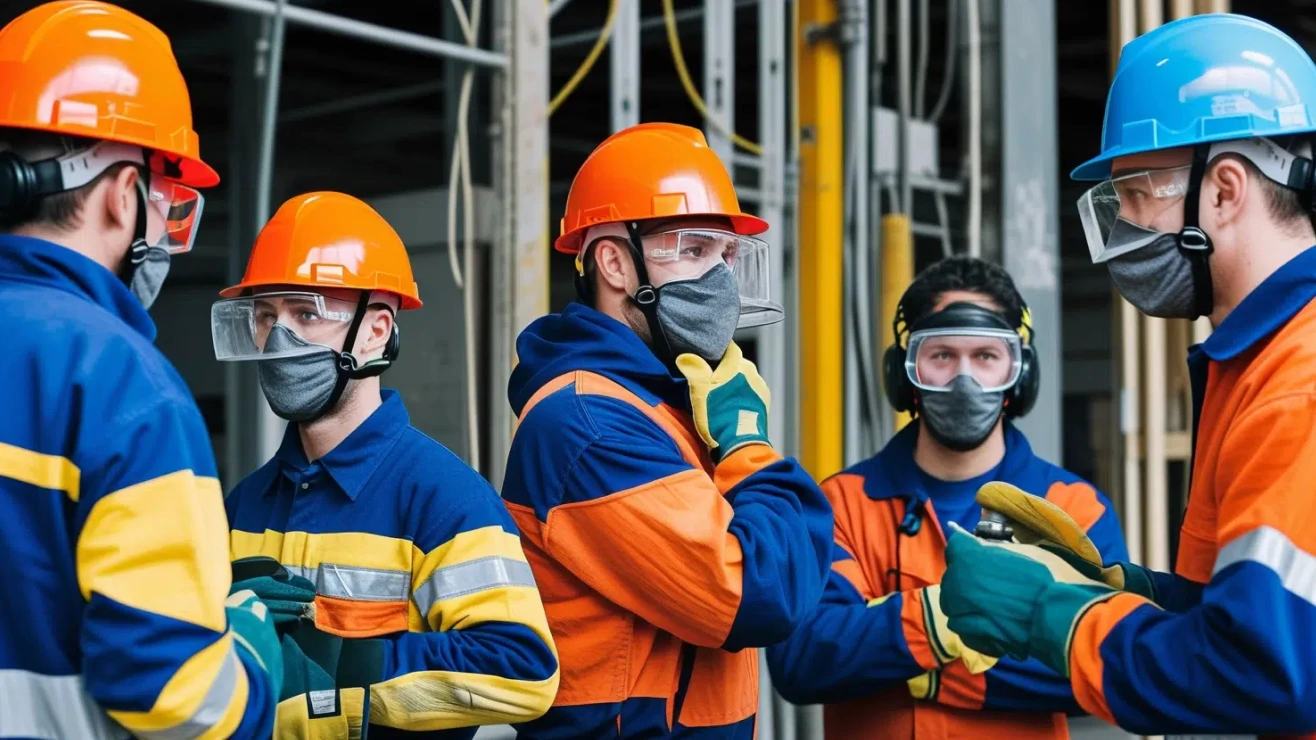
Preventing workplace accidents is essential to ensure the safety and well-being of employees, as well as promoting a productive environment.
Investing in preventive practices not only reduces the occurrence of accidents but also strengthens the team's trust and motivation, reflecting positively on the company's productivity and reputation.
This comprehensive guide covers the main aspects of occupational safety and presents effective measures to create a safe environment.
Speak with one of our specialists and discover how Pix Force can transform your business
The Importance of Workplace Accident Prevention
Preventing workplace accidents is essential to ensure the safety and well-being of employees. Implementing preventive practices not only protects employees but also promotes a productive environment.
When companies invest in safety, they reduce the incidence of accidents, avoiding injuries and occupational diseases. This generates trust and motivation in the team, resulting in increased productivity.
Additionally, a safe workplace is fundamental to the company's reputation and can prevent legal penalties. Therefore, prevention must be a priority in every organization, regardless of its industry.
Impacts of Occupational Accidents on Productivity
Occupational accidents have a significant impact on a company's productivity. When an employee suffers an accident, it not only results in their temporary absence, but also affects team morale.
Insecurity and fear can create a tense work environment, reducing overall performance. In addition, accident-related costs, such as compensation and medical treatments, can be high.
These costs are not limited to just financial aspects; the company's image can also be compromised.
A safe and healthy work environment, on the other hand, promotes collaboration and efficiency, reflecting positively on results. Therefore, preventing accidents is crucial to maintaining productivity and competitiveness in the market.
Legal and Regulatory Aspects of Occupational Safety
Occupational safety is regulated by various standards and laws aimed at protecting workers' health.
Regulatory Standards (NRs) establish guidelines that companies must follow to ensure safe environments.
Among the main obligations are conducting training sessions, providing Personal Protective Equipment (PPE), and implementing Internal Accident Prevention Commissions (CIPA).
Non-compliance with these regulations can result in fines and lawsuits, in addition to exposing employees to unnecessary risks. Therefore, it is essential for employers to know and comply with current laws. Investing in safety is, thus, a legal and ethical responsibility of every organization.
Personal Protective Equipment (PPE)
Personal Protective Equipment (PPE) is essential for ensuring worker safety in various activities. Its use is crucial to minimize risks and protect the physical integrity of employees against accidents and exposure to harmful agents.
PPE varies according to the functions and risks involved, and its provision is the employer's responsibility. In addition, it is necessary to conduct training on the correct use of this equipment to ensure effectiveness in accident prevention. Therefore, investing in PPE is investing in the health and safety of the team.
What are PPEs and their Relevance
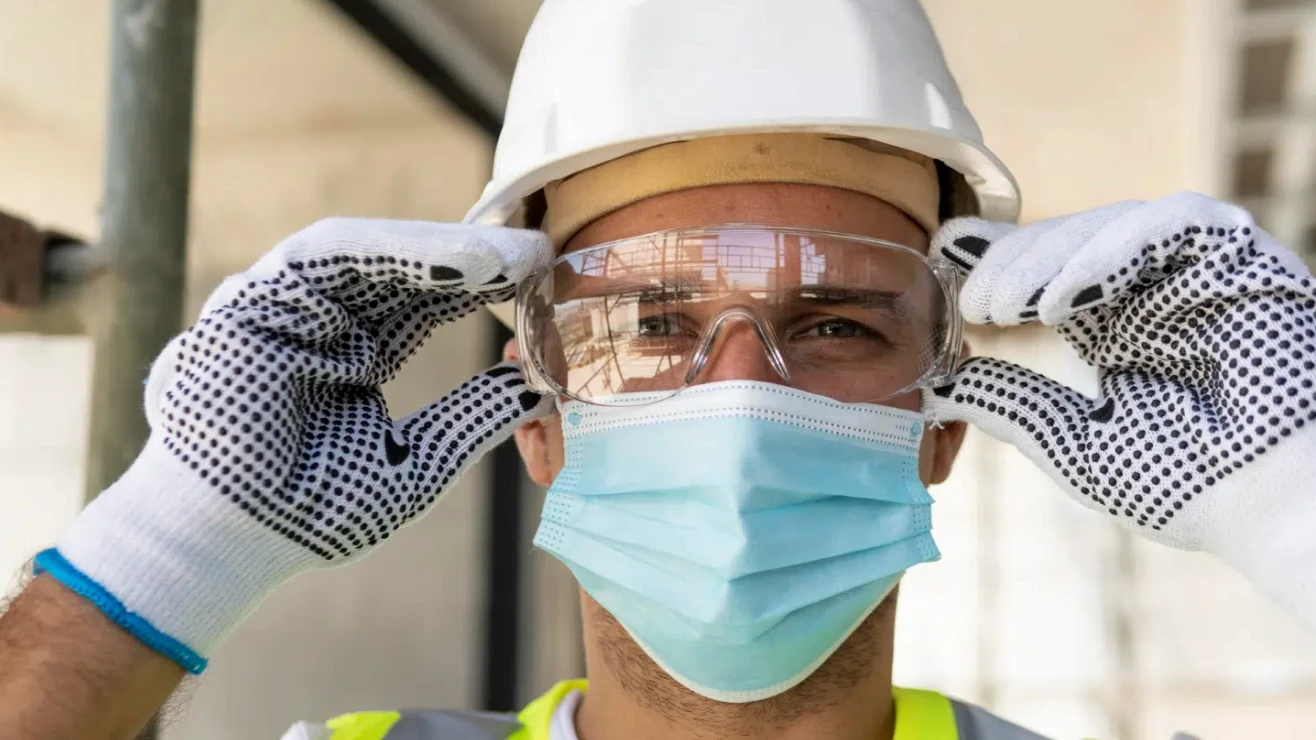
PPEs are essential tools that protect workers against risks that may threaten their safety and health during the execution of their activities. They include, among others, helmets, safety goggles, gloves, ear protectors, and boots.
The relevance of PPEs is evident in the prevention of workplace accidents and occupational diseases, promoting a safe and healthy environment for employees. In addition, the proper use of PPEs not only prevents injuries and fatalities, but also contributes to the reduction of costs related to accidents, such as compensation and treatments.
Therefore, the correct use and maintenance of PPEs are fundamental for responsible and safe work.
Types of PPE Required for Different Activities
The choice of Personal Protective Equipment (PPE) varies according to the activities performed and the risks involved. For work at heights, safety harnesses and helmets are required.
In environments with chemical substances, appropriate gloves and safety goggles are essential. For construction professionals, the use of steel-toe boots and hearing protection is fundamental.
In locations with biological hazards, the use of respiratory masks and disposable gowns is important. Knowing the appropriate types of PPE and ensuring their provision and correct use is essential to protect workers' health and ensure compliance with safety standards.
Employer and Employee Responsibilities in the Use of PPE
Both employers and employees have responsibilities when it comes to using PPE.
The employer must provide the appropriate PPE, train employees on its correct use, and ensure that it is always in good condition. The employee, in turn, is responsible for using the PPE in accordance with instructions, taking care of its conservation, and informing the employer about any damage or need for replacement.
Collaboration between both parties is fundamental to creating a safe working environment, where accident prevention and health protection are priorities.
Creating a Safe Work Environment
Creating a safe work environment is fundamental to protecting employees and promoting a safety culture within companies.
This involves implementing policies and practices that ensure risk identification and mitigation, in addition to providing regular training.
Collaboration among all team members is essential, as a safe environment results in higher satisfaction and productivity. Investing in occupational safety demonstrates a company's responsibility and commitment to the health and well-being of its employees.
Maintaining Cleanliness and Organization
Maintaining cleanliness and organization in the workplace is a crucial factor for employee safety. Disorganized environments can increase the risk of accidents, such as slips, trips, falls, and collisions.
Therefore, promoting a cleaning routine and establishing rules for organizing spaces help prevent incidents. In addition, a clean and well-organized workplace contributes to the efficiency and well-being of the team.
Signage of Hazard Areas
Signage of hazard areas is fundamental to guiding workers and reducing accidents in the workplace.
Signs, strips, and warning lights must be used to indicate hazardous zones, emergency exits, and locations with safety equipment.
Visible and clear signage helps raise employee awareness of the risks present, promoting a safer environment and preventing potential conflicts.
Fire Fighting and Emergency Equipment
The adoption of fire fighting equipment and emergency systems is essential to ensure workplace safety. Extinguishers, hoses, alarms, and emergency exits must be available and in perfect working order.
Additionally, it is crucial to conduct regular training to empower employees on the correct use of this equipment and the actions to be taken in case of an emergency. This preparation minimizes risks and promotes a fast and efficient response in adverse situations.
Employee Training and Awareness
Employee training and awareness are crucial for workplace safety. Regular training programs help equip employees with knowledge about risks, safety standards, and the correct use of PPE.
Awareness not only improves employees' attitude towards safety but also fosters a proactive organizational culture in accident prevention, resulting in a safer and healthier environment for everyone.
Importance of Continuous Safety Training
Continuous safety training is vital to keep employees updated on best practices and new regulations. Safety standards and risks evolve, and regular training ensures that employees are always prepared to handle adverse situations. Furthermore, this practice shows the company's commitment to the health and well-being of its employees, reducing the likelihood of accidents and improving operational effectiveness.
Effective Methods of Teaching and Practical Training
Using effective methods of teaching and practical training is essential to ensure employees understand and apply safety regulations. Among the most effective approaches are simulations of real situations, interactive workshops, and the use of technology, such as videos and online modules. In addition, promoting group discussions and case studies helps consolidate knowledge. Practical training, where employees have the opportunity to experience and apply safety techniques, ensures that they feel safe and confident in executing their daily tasks.
Communication Protocols and Incident Reporting
Establishing communication and incident reporting protocols is fundamental to ensuring safety in the workplace.
These protocols must be clear and accessible to all employees, allowing any hazardous situation, such as near-misses or unsafe behaviors, to be reported immediately. Effective and praised communication promotes the early identification of problems, enabling the adoption of corrective measures before accidents occur.
In addition, a transparent reporting system free from retaliation encourages employee participation in maintaining a safe and healthy environment.
How to Report an Incident Efficiently
Reporting an incident efficiently requires clarity and speed. The first step is to immediately inform a supervisor or safety officer. Describe what happened, including date, time, and location, as well as details about the circumstances and the people involved.
Finally, it is important to log the incident in a specific system, if available, ensuring that the information is documented and can be analyzed to prevent future occurrences.
Measures to Take After Reporting an Incident
After reporting an incident, it is fundamental for the company to take immediate measures to investigate the occurrence and identify its causes. This may include analyzing the circumstances, conducting team meetings, and collecting statements.
Based on this investigation, corrective actions must be implemented to prevent recurrences, such as improvements in safety procedures or additional training for employees. Finally, communicating the results of the investigation is crucial to keeping everyone informed.
Creation and Implementation of Safety Policies
The creation and implementation of safety policies are essential to protect the health and well-being of employees in a company.
These policies must be clear, accessible, and based on regulatory standards, addressing aspects such as the use of PPE, emergency procedures, and mandatory training.
In this case, the effective communication of these policies and the involvement of employees during the implementation process ensure a solid safety culture and the reduction of accidents.
Development of a Safety Manual
Developing a safety manual is a crucial step to formalize safety practices and procedures in the company. This document must cover all rules, guidelines, and protocols that employees must follow. The language must be clear and easy to understand, allowing all employees to familiarize themselves with safety practices and encouraging a safer and healthier working environment.
Importance of the Internal Accident Prevention Commission (CIPA)
The Internal Accident Prevention Commission (CIPA) plays a vital role in promoting safety at work. Formed by representatives of employees and management, CIPA identifies risks, proposes improvements, and promotes training. Its engaged actions are essential to increase awareness of worker safety and health, contributing to a reduction in accidents and the creation of a safer work environment.
Occupational Safety Consulting
Occupational safety consulting offers specialized guidance to ensure that companies comply with occupational safety and health standards.
These professionals assess risks, propose corrective measures, and develop training programs. In addition to reducing the occurrence of accidents, consulting also helps in creating a safety culture, providing a healthier and more productive environment for everyone.
Conclusion
Prioritizing accident prevention is everyone's responsibility and brings significant benefits to the company and its employees.
By implementing safety policies, providing Personal Protective Equipment, and promoting training, organizations not only protect their workforce but also ensure a healthier and more productive environment.
Ultimately, a commitment to safety is essential for building a culture of protection and sustainability in the workplace.

Fabio Caraça
Fábio Caraça is the Chief Growth Officer at Pix Force. He leads Pix Force's transformation into a scalable SaaS operation, combining strategic vision, culture, and high-impact execution.