Energy
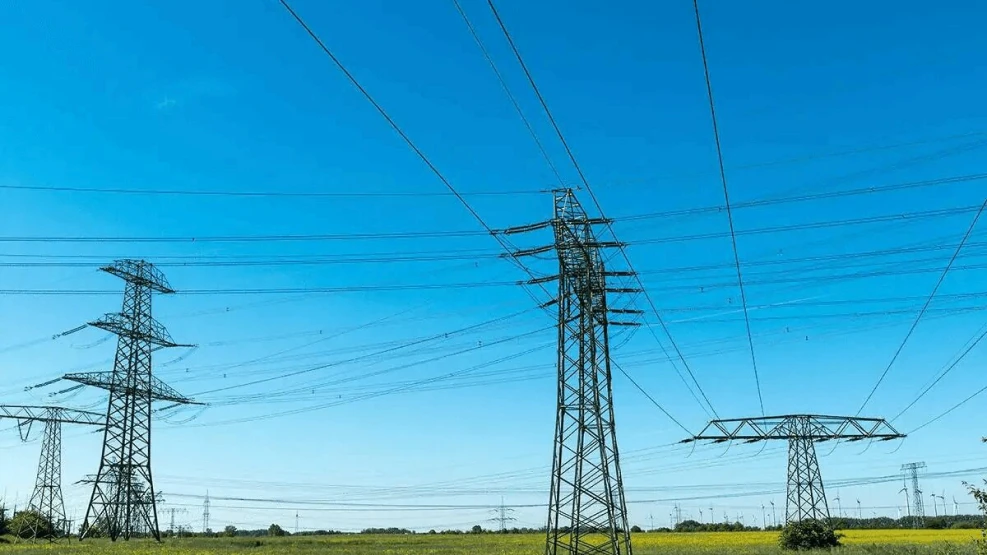
Electric power transmission is a vital process for the distribution of electricity from generating plants to final consumers. This complex system involves the transport of energy through extensive networks of high-voltage transmission lines, which allow electricity to be sent over long distances efficiently and safely. The transmission lines are supported by robust towers and are connected to substations that regulate and adjust the electrical voltage, adapting it for safe use in both industrial and residential environments. This system not only connects energy-producing regions to major consumer centers, but also integrates different generation sources, such as hydroelectric, thermoelectric, and wind farms, facilitating the effective management and distribution of the generated energy. The energy transmission market in Brazil is highly regulated, ensuring the continuous expansion and maintenance of the infrastructure necessary to meet the growing demand for energy. Energy is used to heat homes, run appliances, power machinery in industries, as well as hospitals and many other sectors. Below we have created an extensive overview that will help you understand how the energy transmission market works in Brazil. Check it out! READ ALSO: • Learn all about Computer Vision
• Drone inspection on power transmission lines
Speak with one of our specialists and discover how Pix Force can transform your business
What is electrical energy transmission?
Electrical energy transmission is an essential process in the energy system that involves transporting electricity from generating plants to final consumers, whether residential, commercial, or industrial. This transport occurs through a complex network of high-voltage lines and substations that conduct energy over long distances with the goal of minimizing energy losses during the journey. Transmission lines are the main structures responsible for this task, functioning as the arteries of the power system, ensuring that the electricity produced in the plants reaches cities and other points of consumption. The high voltage used in these lines allows energy to be transmitted more efficiently, reducing the amount of energy lost as heat and, consequently, the cost to consumers and the environmental impact.
How does this market work?
The electricity transmission market in Brazil is highly regulated and planned, being one of the key elements for the expansion and efficiency of the electricity sector in the country. The management of this market is coordinated by the government through regulatory agencies such as the National Electric Energy Agency (ANEEL), which defines the rules, tariffs and conducts auctions for new transmission line projects. The current market model allows the exchange of energy between different regions, ensuring a constant supply of electricity even during periods of high demand or low generation in some areas. This is possible due to the National Interconnected System (SIN), which connects almost the entire national territory and allows energy to be moved from where it is generated to where it is most needed. Domestic and international investors can participate in transmission auctions, where long-term contracts are awarded to build, operate, and maintain transmission lines. These auctions have proven attractive due to the stability and predictability of returns on investment, resulting from the regulated nature of tariffs and the essentiality of the service. Therefore, the energy transmission market is not only fundamental to the country's energy infrastructure, but also represents an area of significant opportunities for investors in the energy sector. In Brazil, the energy transmission market emerged in 1879 when Dom Pedro II hired Thomas Alva Edison to introduce incandescent light bulb technology to public lighting. Years later, in 1883, the country's first hydroelectric power plant began operating, located where the city of Diamantina is today, with the region's rivers being the main energy sources. Throughout the 20th and 21st centuries, other types of energy production were adopted by the Brazilian government, such as thermoelectric, nuclear plants, solar and wind energy. Over the centuries, we have had investments in hydroelectric power, with emphasis on Itaipu, the second largest hydroelectric power plant in the world up to that time. The increase in consumption and the consolidation of electric energy brought the need for the creation of the energy market in Brazil.
Energy generation: what is the path taken by electrical energy?
The energy market originates in the country's power generation plants. In Brazil, most of the energy generated comes from hydroelectric plants, corresponding to practically about 70% of the installed generation capacity in the country. The second largest source of energy for the country derives from thermoelectric plants, with 14%, while third place goes to wind energy, with 8%. We also need to highlight energy distributors and their commercialization agents, which are important to the production chain of the Brazilian electricity market. They do not produce energy, but they can act by buying or selling energy. In this way, each of the investors operating in the electricity market operates through licenses, concessions, or authorizations. To operate, companies in the sector must submit to a series of rules from various institutions, with ANEEL being the main one. Furthermore, the National Electric System Operator plays an important role since it controls the inventory in hydroelectric plants and forecasts river flows, thereby releasing greater use of thermal generation sources to meet demand if production in hydroelectric plants is below what is needed.
Transmission lines: some numbers on electrical energy transmission
The purpose of electrical energy transmission is to generate electricity to those responsible for delivery (which are the distributors) to customers. These two groups (transmission and distribution) are regulated by ANEEL and are considered natural monopolies, since competition between companies in the sector would not bring any benefits to society. In general, the electrical energy market has some base numbers: • 60% of electrical energy generation is produced through hydroelectric plants
• 85% of consumption units are residences
• 35% of energy consumption is by industries
The information above consolidates public information from the Monthly Review of the Electrical Energy Market. The work is the result of cooperation between agents in the energy market, both suppliers and consumers. Another body that assists in this construction is the Permanent Committee for Analysis and Monitoring of the Electrical Energy Market (COPAM), but with supervision carried out by EPE. Another important point to be highlighted is the creation of the Anemometric Measurement Monitoring System (AMA), which consists of a computer application. This application aims to register the anemometric and climatological measurements provided by wind farms that win electrical energy auctions, both purchasing and selling. Generally, these auctions take place and are promoted by the Federal Government, through the Ministry of Mines and Energy. The measurements consist of a large source of data for studies on wind energy. However, they are not limited to that. The Statistical Yearbook of Electrical Energy and the Monthly Review of Electrical Energy provide complete subsidies for the study of the market. See in the video below how electrical energy transmission works: https://www.youtube.com/watch?v=Vj6FZ4zg_-I
Energy distribution: how does it happen today?
Power Plant
Electricity can be produced from various sources, but hydroelectricity is the main source in Brazil. Thus, hydroelectric plants are the first step for electricity transmission.
Transmission Substations
The energy produced in the power plants goes directly to the transmission stations, and immediately after goes through transformers to increase its voltage. This is a necessary operation for it to be able to reach civil society. After that, the energy is conducted to cities and industries through high-voltage lines, which can commonly be seen on roads, for example.
Transmission Lines
These are tall voltage towers that carry electricity over long distances. To reduce energy losses along the way, it is transmitted at a high voltage. Because of this, transmission lines are areas where it is not possible to build any elements, from houses, businesses, industries, or squares.
Distribution Substations
Electricity passes through voltage transformers in substations so that its power is reduced and, thus, it can be transmitted to homes, businesses, offices, and small industries. It is sent to the distribution network only after this procedure.
Pole Wiring
After this stage, the energy passes to the pole wiring, where it is again subjected to a voltage reduction. After the procedure, it goes through the wiring (underground or aerial), until it reaches homes, offices, and businesses.
The End Consumer of electricity
Currently, energy is present in almost the entire national territory, and is an important instrument of citizenship and social inclusion. For light to reach the switches and sockets of our homes, offices, or businesses, the energy becomes available for use at the same moment it is switched on, making it possible to use electronic equipment, lighting, charging devices such as cell phones and laptops, etc.
Aging of the electrical power transmission system
Currently, the Brazilian energy transmission system consists of several installations that are aging. As the years go by, this scenario will become more critical in the future, as older equipment will remain in operation and perhaps its maintenance is not up to date. The aging of this system is enhanced by the massive insertion of intermittent renewable sources into the grid, which implies distinct and even more severe loading and operating cycles when compared to the traditional original designs of this equipment. A major challenge faced in the coming decades will consist of replacing the infrastructure of the electrical system as a whole as it ages. The transmission grid must be constantly monitored and have its resources optimized so that the reliability, as well as quality levels required by society are maintained. However, this type of service can be quite complicated to do manually. These types of maintenance care tend to rely on significant investments, which eventually may even exceed the financial capacity of companies. But this real expansion of electricity transmission in Brazil is fundamental for the development of the country's economy.
Need for expansion of transmission lines
The transmission sector is fundamental for the Brazilian economy, and its expansion is extremely necessary for the improvement of the energy supply. The main reason for the need to expand transmission capacity is to ensure that the system has sufficient resources to satisfy the expected total demand at the lowest possible cost during a planning period, taking into account related uncertainties, such as demand profile and development, generation, and location of supply demand, meeting reliability requirements. However, this system is still far from covering the entire national territory. The difficulty of this problem stems from the need to balance the economy and reliability requirements of the competing system, especially regional interconnections. In order to reduce the risk of multiple contingencies, reconciling economy with reliability typically requires technical options and the need for alternative transmission line routes. Increasing socio-environmental constraints, which limit the availability of rights-of-way and the provision of substation sites, especially in the Amazon region and major load centers, are another source of difficulty for the transmission system. In addition to the need for supervision, which is the responsibility of ANEEL, the multiplicity of transmission capacity, from various origins and corporate characteristics, requires a continuous planning effort by ONS, from the design process to system execution.
Pix Grid: fast and easy inspection of transmission lines and substations
Combining drone flights with Computer Vision and machine learning technology, Pix Grid is a solution directed towards monitoring and inspecting transmission towers, aiming to ensure this process is done faster, easier, and, above all, safer. This is a technology that combines the work of drones and cameras, automating risky and time-consuming processes that include climbing the structure of the towers, making the inspection much safer and faster. Need services related to transmission line inspection? Contact one of our sales representatives and learn about Pix Grid.

Fabio Caraça
Fábio Caraça is the Chief Growth Officer at Pix Force. He leads Pix Force's transformation into a scalable SaaS operation, combining strategic vision, culture, and high-impact execution.